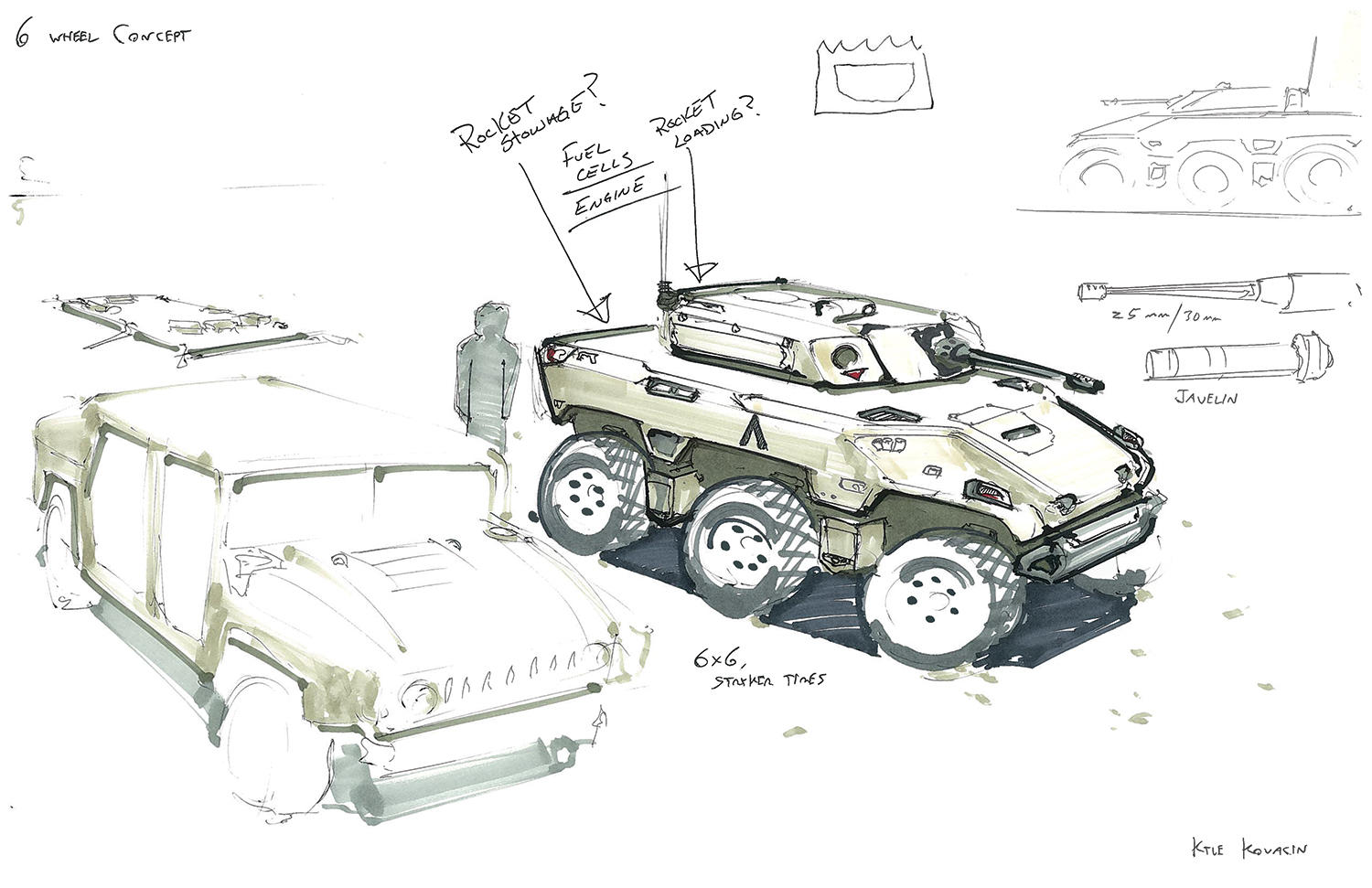
Should Army Compete With Industry On OMFV?
Industry sources say the Army shouldn’t enter its own in-house design team in the race to replace the M2 Bradley. Top Army officials told us why it would work.
Industry sources say the Army shouldn’t enter its own in-house design team in the race to replace the M2 Bradley. Top Army officials told us why it would work.
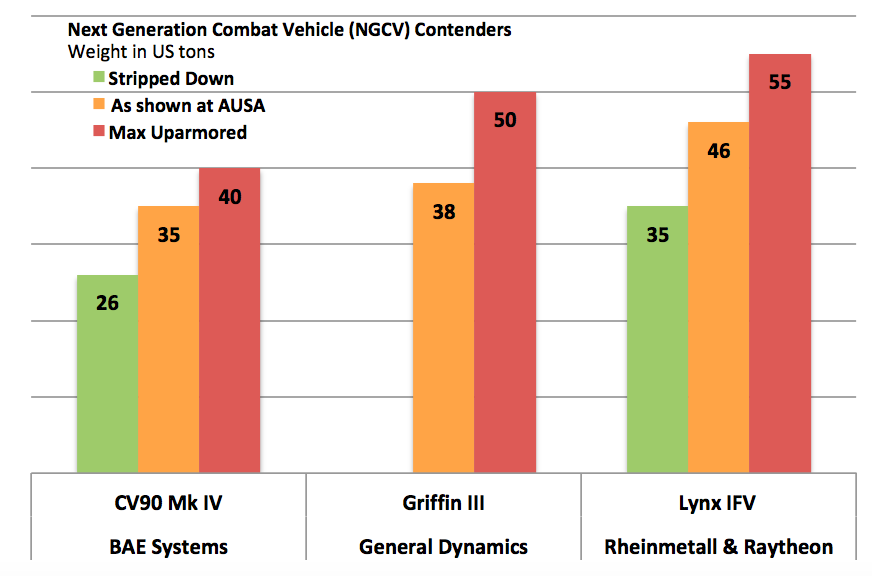
BAE System's CV90 Mark IV is the latest upgrade of a 25-year-old vehicle widely used in Europe; the Rheinmetall-Raytheon Lynx is an all-new design, although individual components have a good track record; but the General Dynamics Griffin III is in the middle, combining a new gun and new electronics with the time-tested chassis from the European ASCOD family.


Architecture that linked sensors, C2, RF effects, and lasers into a distributed c-UAS kill chain.

“It doesn’t have to be a tank, it just has to be decisive and lethal," Brig. Gen. Richard Ross Coffman answered. "If that is run by a flux capacitor, hovers, and has a ray gun -- and we can make it run at a reasonable cost -- we’ll look at it."
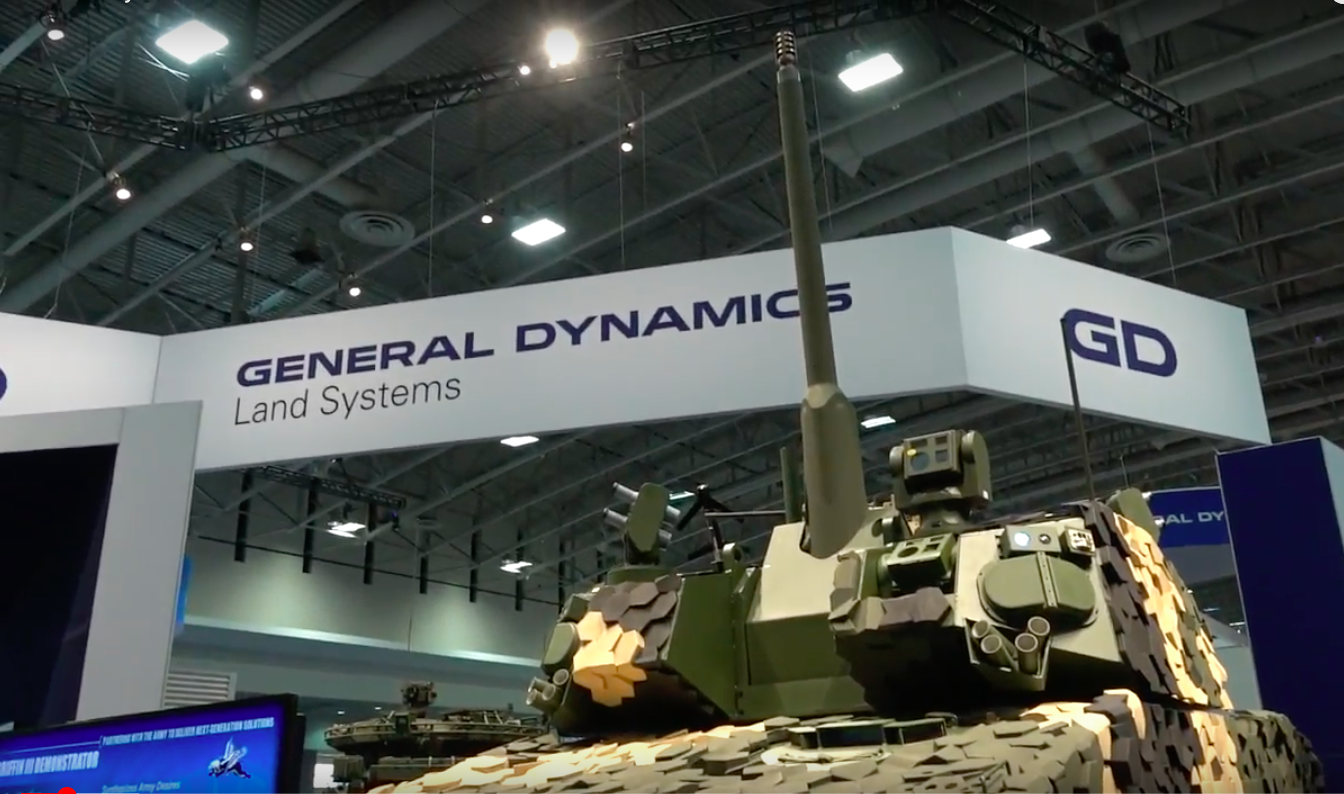
With a proven hull and a cutting-edge gun, General Dynamics' Griffin III might just hit the Army's sweet spot between innovative and proven.
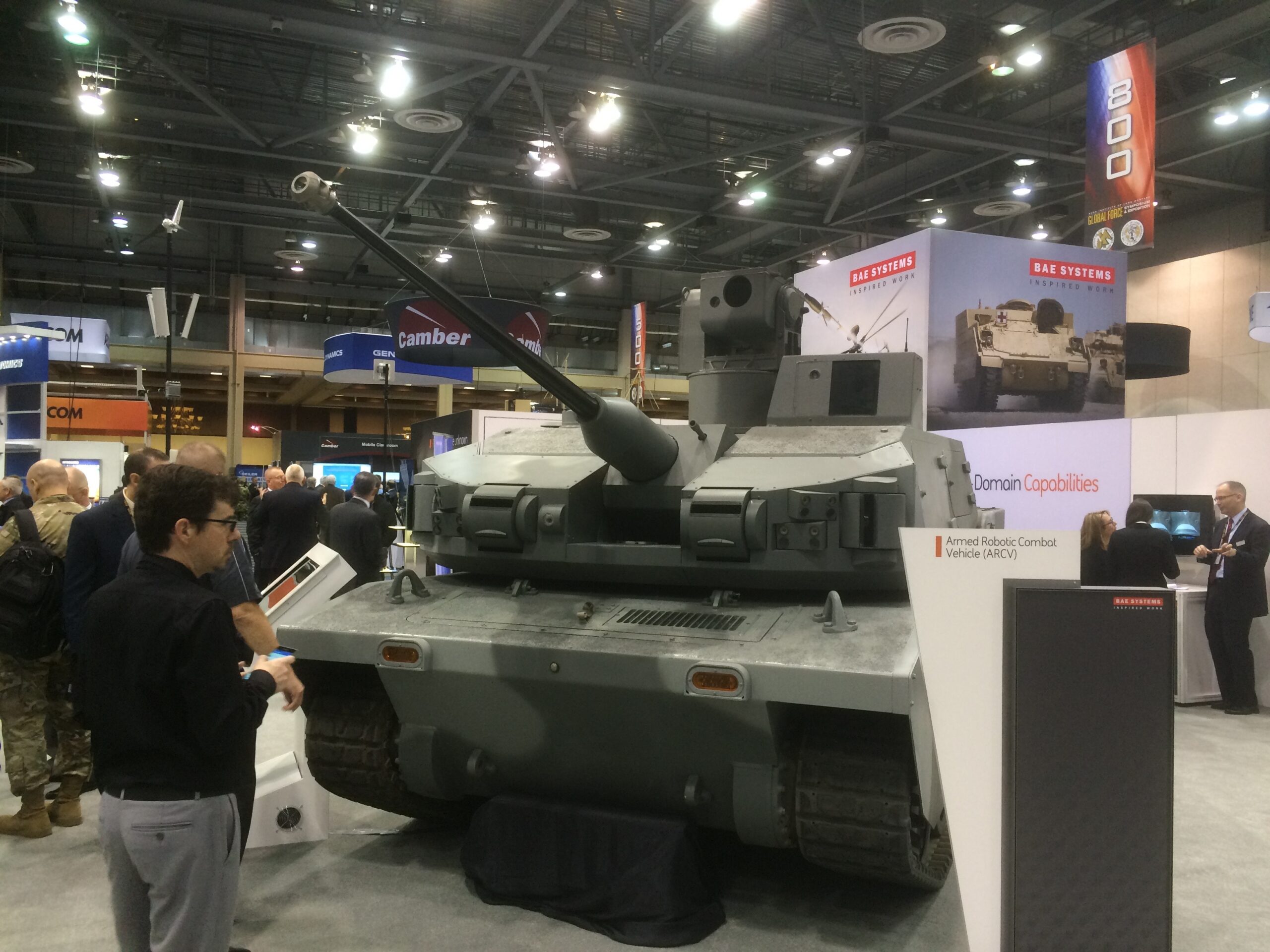
What mission does the Army really need armed robots for -- expendable scouts, perhaps, or supplementary fire support? And does buying robots for that role really offer more tactical value than spending the same money on mundane upgrades to, say, self-propelled artillery?